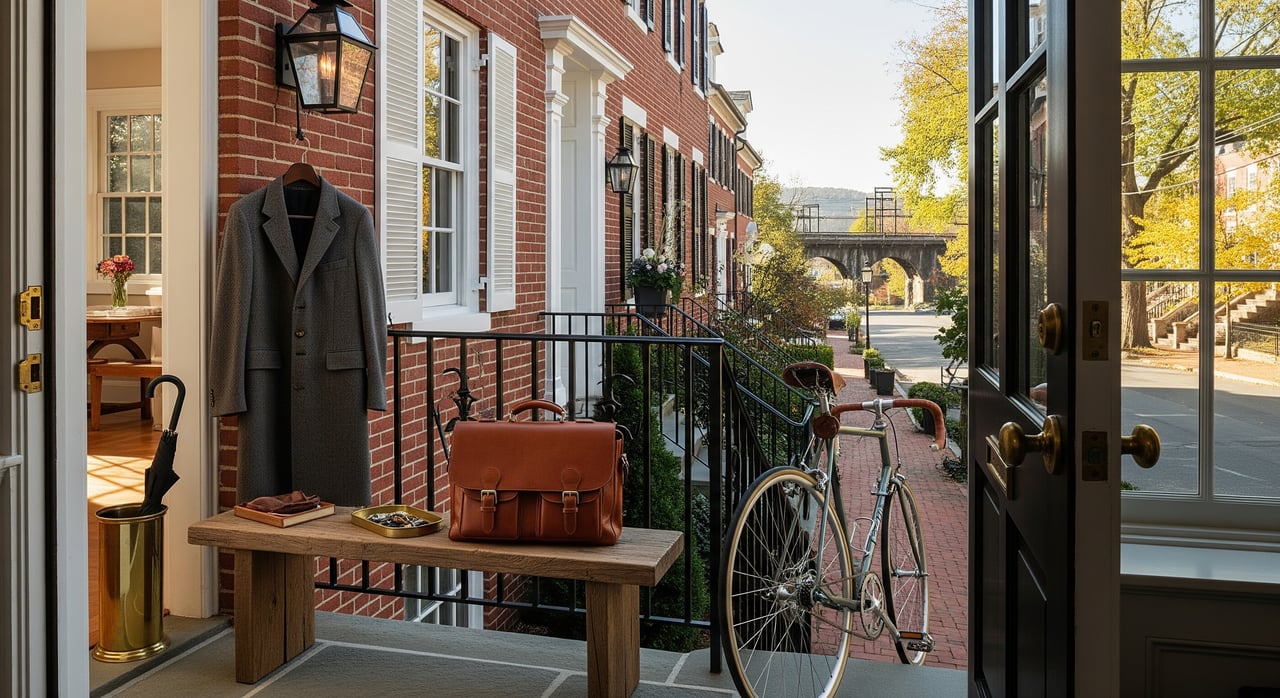
Picture this: you step out of your Morristown home, grab a coffee, and ride a direct train that drops you in Midtown. If you are relocating for work, you likely want predictable timing and a daily routine that actually works. This guide gives you clear, real‑world commute ranges, parking and permit realities, park‑and‑ride options, and neighborhood tips so you can plan with confidence. Let’s dive in.
Midtown Direct overview
Midtown Direct on NJ TRANSIT’s Morris & Essex lines runs directly to New York Penn Station without a transfer in Hoboken. From Morristown station, typical train time on direct or express runs is about 35 to 50 minutes. On local or off‑peak trains that make more stops, expect about 50 to 70 minutes. Weekday peak periods usually have more frequent service than off‑peak and weekends, so build your schedule around peak trains when possible.
NJ TRANSIT offers peak and off‑peak fares along with monthly and 10‑trip options that can reduce your per‑ride cost. Many commuters use the NJ TRANSIT mobile app for tickets and real‑time train status. Always check current timetables and fare tables before you plan, especially if you are timing a move.
Morristown station basics
Morristown station is the primary access point for downtown and the surrounding neighborhoods on the Morristown Line. You will find platforms, waiting areas, ticket vending machines, and connections to local buses and taxis or rideshare. It is a busy commuter hub, especially during weekday mornings.
Parking near the station is a mix of NJ TRANSIT lots, municipal garages and lots, private facilities, and limited on‑street options. Monthly permit demand is high, and many lots use waitlists that can take weeks or months to clear. Daily spaces often fill early on weekdays, so arrive ahead of your target train if you need a day spot.
If you plan to leave a car overnight or for multiple days, confirm local rules. Policies vary by lot and may change by season. For the most accurate details, check the Town of Morristown’s parking pages and NJ TRANSIT’s station parking information as your move date approaches.
Parking strategies and backups
It pays to have a Plan B for days when parking is tight or service is disrupted. Consider these practical options:
- Park slightly farther from the station in municipal lots and walk or shuttle in.
- Use nearby stations with different parking dynamics, such as Convent Station, Morris Plains, Madison, or Summit.
- Carpool or use rideshare for the morning drop‑off and park at home.
- Bike to the station if racks or secure storage are available and the route suits your comfort level.
If a monthly permit is part of your plan, apply early through the municipal parking office or NJ TRANSIT’s channels. If you are new to the area, a temporary routine using rideshare or an alternate station can bridge the gap while you wait for a permit.
Realistic door‑to‑door scenarios
Every commute has a few moving parts. Use these ranges to plan your morning with a buffer. Actual times depend on your exact address, train choice, and day‑to‑day conditions.
Scenario A: Live downtown and walk
- Walk to Morristown station: 5 to 12 minutes (about 0.2 to 0.6 miles)
- Buffer at the platform: 5 to 10 minutes
- Train ride to NY Penn on express: 35 to 50 minutes
- Last‑mile in Midtown on foot or taxi: 5 to 15 minutes
- Typical door‑to‑door: about 50 to 80 minutes
Scenario B: Drive and park at Morristown
- Drive to a lot: 10 to 20 minutes
- Park and walk to the platform: 10 to 20 minutes
- Train ride: 35 to 50 minutes on express, or 50 to 70 on local
- Typical door‑to‑door: about 70 to 110+ minutes
Scenario C: Park‑and‑ride bus to Midtown
- Drive to a park‑and‑ride: 10 to 25 minutes
- Wait and boarding buffer: 10 to 20 minutes
- Bus ride to Midtown: 60 to 120 minutes depending on traffic and terminal
- Typical door‑to‑door: about 90 to 160 minutes
Scenario D: Use an alternate station
- Drive time varies to Convent Station, Madison, or Summit
- Parking can be less stressful depending on availability
- Train frequency and run time differ by station and schedule
- Compare total door‑to‑door time vs. parking stress at Morristown to see if this fits your routine
Two key takeaways: the train segment is often the most predictable piece, and your biggest variable is usually driving and parking. Picking the right train type and giving yourself a steady buffer can save meaningful time.
Park‑and‑ride and first/last‑mile options
Park‑and‑ride buses connect suburban lots to Manhattan terminals, including Port Authority and Midtown routes where available. Travel times are more variable than rail, often about 60 to 120 minutes based on traffic and your exact origin. If you work near Port Authority, this can be a useful backup plan during rail disruptions.
Some large employers and local municipalities run shuttles to major transit hubs. Ask your HR team or building management if a shuttle is offered from your neighborhood or corporate campus. Local bus routes also serve Morristown station, but timing may not always align with peak trains.
Biking and micromobility can be a fast first‑mile solution. Check for bike racks or secure storage at the station and think about hills and winter weather. Rideshare or taxis provide flexibility when parking is tight or if you have an early meeting and want to shorten your morning chain of steps.
Neighborhoods with easy station access
When you balance commute and lifestyle, your home’s position relative to the station matters. Here are popular areas relocating buyers often evaluate for Morristown Line access.
Downtown Morristown
- Why it works: Immediate walkability to the station, restaurants, and cultural amenities.
- Housing types: Condos, walk‑up apartments, some historic townhomes, and mixed‑use communities.
- Tradeoffs: Higher demand and prices near the core. Monthly parking can be scarce.
Mount Kemble and Normandy Park area (Morris Township)
- Why it works: Short drive or bike to the station with quieter residential streets.
- Housing types: Primarily single‑family homes with mid‑century and older architecture.
- Tradeoffs: Many residents will still drive and park for the train.
Convent Station and Morris Township (east of Morristown)
- Why it works: Convent Station has its own NJ TRANSIT stop and different parking dynamics.
- Housing types: Suburban single‑family homes with some condo developments.
- Tradeoffs: Service patterns can differ. Check schedules to confirm frequency and run times.
Morris Plains and Madison
- Why it works: Both sit on the Morris & Essex corridor and offer alternate stations and lots.
- Housing types: Mix of single‑family homes and smaller, walkable downtowns.
- Tradeoffs: Compare parking availability and the exact train mix for each station.
Florham Park, East Hanover, and Chatham
- Why it works: Flexible access to Morristown, Madison, Convent Station, or Summit by car.
- Housing types: Suburban single‑family homes and planned neighborhoods.
- Tradeoffs: Daily driving adds a variable to your routine. Check peak train options at each station.
Summit
- Why it works: Frequent service and well‑used station parking options.
- Housing types: Upscale single‑family neighborhoods and some historic districts.
- Tradeoffs: Home prices are typically higher. The station offers strong frequency if that is your top goal.
If walking to the station is your priority, downtown Morristown tends to offer the strongest walkability. If you want a larger lot or a quieter street, a short drive to the station can still deliver a solid commute.
Your pre‑move transit checklist
Use this checklist to finalize your plan before you sign a lease or close on a home:
- Verify current Morristown Line timetables, including peak and weekend schedules.
- Compare peak vs. off‑peak fares and evaluate monthly or 10‑trip passes.
- Apply early for monthly parking permits if you will rely on station parking.
- Test alternate stations such as Convent Station, Madison, or Summit and compare total time.
- If you prefer a bus park‑and‑ride, confirm routes, typical traffic windows, and destination terminals.
- Arrive at the station earlier than your train to secure a parking spot and board calmly.
- Use the NJ TRANSIT app for mobile tickets, real‑time status, and service alerts.
- Set a backup plan for disruption days, such as an alternate station or rideshare.
- Consider a hybrid office schedule to avoid the highest parking pressure.
- In winter or during maintenance periods, build extra time into your routine.
Putting it all together
For many Morristown commuters, an express Midtown Direct train plus a short walk on each end is the fastest and most predictable path to Midtown. If you plan to drive and park, expect more variability and keep a backup station in your pocket. A clear plan, the right neighborhood, and a small time buffer will make your New York commute feel manageable.
If you want help matching your commute goals with the right home and neighborhood, reach out. We pair local insight with a practical, data‑driven approach so you can move with confidence. Start a conversation with Gregory Brozowski for personalized relocation planning and neighborhood tours.
FAQs
How long is the Morristown to NYC train ride?
- On direct or express Midtown Direct trains, the Morristown to New York Penn Station segment is typically about 35 to 50 minutes. Local or off‑peak trains often run about 50 to 70 minutes.
Is there monthly parking at Morristown station?
- Yes, but demand is high. Many lots use waitlists and daily spaces can fill early on weekdays, so apply for permits early and arrive ahead of peak trains if using day parking.
Are buses a good alternative to the train from Morristown?
- Park‑and‑ride buses can be useful backups, especially to Port Authority. Plan for about 60 to 120 minutes of bus time plus driving and boarding, since traffic adds variability.
Which nearby stations help if Morristown parking is tight?
- Consider Convent Station, Morris Plains, Madison, and Summit. Each has different parking and service patterns, so compare schedules and availability.
What Morristown‑area neighborhoods are closest to the station?
- Downtown Morristown offers the best walkability. Short‑drive options include Mount Kemble/Normandy Park and Convent Station areas, with other nearby towns like Madison and Morris Plains on the same line.
