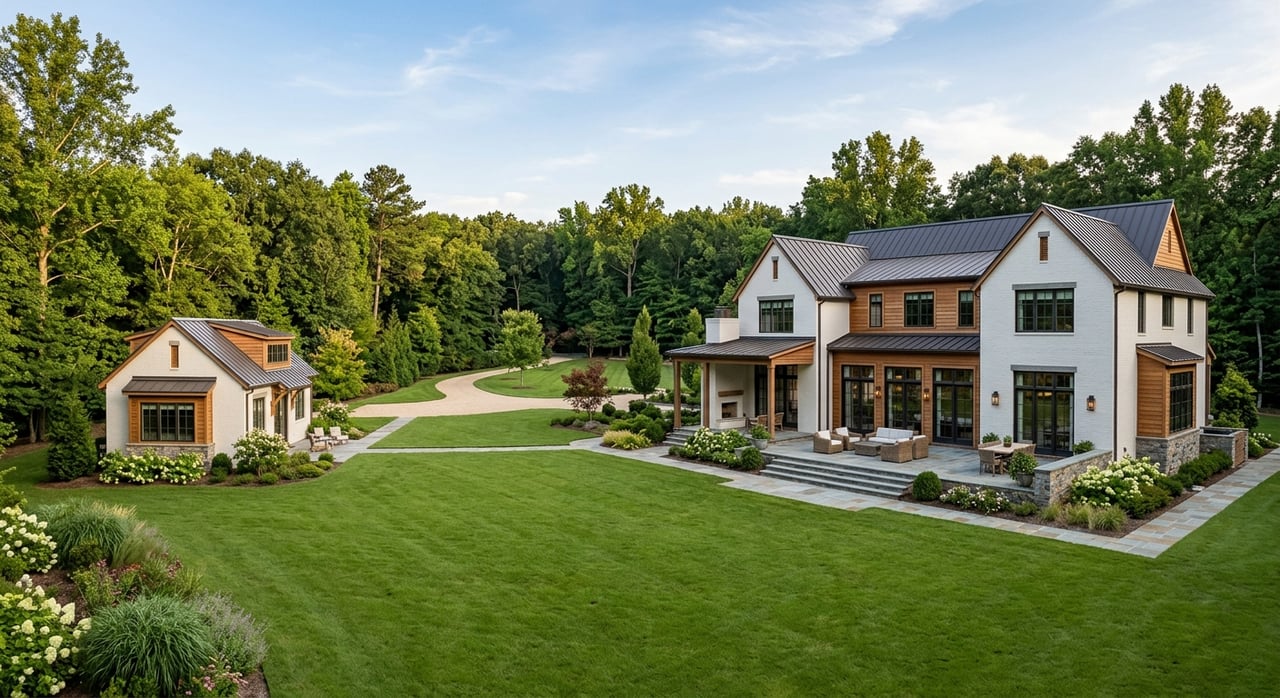
Wondering whether your Long Valley acreage home should be marketed like a house, a land parcel, or both? That question matters more than many sellers expect. When you list a home on acreage in Long Valley, buyers often look far beyond bedroom count and square footage, and the details attached to the land can shape pricing, interest, and negotiations. This guide will help you understand what buyers are likely to focus on, what documents to gather early, and how to position your property clearly and confidently. Let’s dive in.
Why acreage changes the listing strategy
In Long Valley, homes on larger parcels are often viewed as land-plus-home properties, not simply houses with bigger yards. That local context matters because Washington Township has long preserved farmland and open space, and buyers often arrive with specific questions about the land itself.
That means your listing strategy needs to do more than showcase the kitchen, baths, and living areas. It should also explain how the property sits on the land, what areas are open or maintained, and whether outdoor improvements add real function and value.
What the current market suggests
Recent market data points to a seller-leaning environment in the Long Valley area, even though the exact figures vary by platform and update date. Reported snapshots show median list prices around the high $700,000s, median sold prices in the mid-to-high $800,000s, and homes moving in roughly two weeks on market.
The key takeaway is not one exact number. It is that well-positioned homes are drawing attention, and strong presentation and accurate pricing can matter even more when your property includes acreage, outbuildings, or site features that buyers may evaluate differently.
What buyers notice on acreage
Buyers looking at Long Valley homes on acreage usually want to understand how the land lives day to day. Total acreage is important, but usability often matters more than the raw number.
They may ask whether the open areas are easy to maintain, how much of the parcel feels functional, and whether the setting supports the lifestyle they have in mind. A beautiful parcel on paper can still raise questions if the listing does not clearly show how the land is laid out and used.
Usable land matters
Acreage is rarely judged by size alone. Buyers often look at where the home is placed on the lot, how much land is open, whether parts are wooded or sloped, and how the outdoor space connects to the house.
If your property has lawns, paddock-style space, gardens, trails, or cleared areas, those features should be shown clearly. If portions of the property are less accessible or constrained by natural features, it helps to present the overall layout honestly and clearly.
Outbuildings and improvements matter too
Barns, sheds, fences, patios, pools, and similar features can be major selling points. They can also create hesitation if buyers are unsure whether they were properly permitted or if they meet local setback and coverage requirements.
In Washington Township, zoning materials specifically call for surveys showing the house, accessory structures, setbacks, dimensions, and improved lot coverage. For sellers, that makes it smart to verify these improvements before your home goes live.
Pre-listing diligence can prevent delays
For acreage homes, preparation is often more document-heavy than it is for a typical subdivision property. Getting ahead of that work can reduce stress later and help you avoid last-minute renegotiation.
The goal is simple: answer likely buyer questions before they become deal problems. A well-prepared seller creates confidence.
Well testing is a must
If your property is served by a private potable well, New Jersey’s Private Well Testing Act applies when the home is sold. Closing cannot take place until both the buyer and seller have reviewed and signed off on the test results.
Because of that timing requirement, many sellers benefit from ordering well testing early. If results come back before you are under contract, you have more control over the timeline and fewer surprises near closing.
Septic records deserve attention
If the home is served by an onsite septic system, documentation matters. Washington Township zoning-permit materials ask whether the property has onsite septic service and request Township Health Department approval information.
NJDEP also recommends septic inspections for homes served by septic systems. From a practical standpoint, early septic review can help you spot issues, gather records, and reduce the chance that a buyer raises concerns late in the transaction.
Surveys and approvals help answer questions
A current or recent survey can be one of the most useful documents for an acreage listing. It can help confirm the location of the home, accessory structures, setbacks, dimensions, and other site details that buyers may want to review.
It is also smart to gather any prior zoning permits, board approvals, or health department documentation related to additions or site improvements. If you have added a pool, patio, driveway extension, shed, fence, or barn over the years, having that paperwork ready can strengthen buyer confidence.
Site constraints may affect buyer interest
Washington Township sits within New Jersey’s Highlands region, and local permit materials specifically raise questions about steep slopes, ridgelines, wetlands, streams, rivers, ponds, floodplains, and related site conditions. That does not mean every acreage property has a problem. It does mean buyers may ask how those conditions affect future plans.
If your property includes sensitive areas or site constraints, the best approach is clarity. Buyers often want to know whether those features affect additions, outdoor projects, or changes to the property over time.
Be ready for practical questions
When acreage is part of the value story, buyers often move quickly from interest to due diligence. They may ask:
- How much of the land is usable and easy to maintain?
- Are sheds, barns, fences, patios, or pools permitted and documented?
- Is the home served by well and septic, and are records available?
- Are there wetlands, slope, floodplain, or Highlands-related considerations?
If you can answer those questions early, your listing often feels more transparent and easier to evaluate.
Pricing should reflect more than lot size
One of the most common mistakes with acreage homes is assuming more land always means a simple price premium. In reality, buyers often compare your property to other homes with similar usable land, condition, and improvements, not just similar acreage totals.
New Jersey valuation standards reflect that broader view by tracking condition, depreciation, obsolescence, recent sales, and both lot and building value. In plain terms, your pricing should be tied to the whole package.
Comparable sales matter more on unique properties
A standard neighborhood home may have many close comparables. An acreage property often has fewer direct matches, which makes pricing more nuanced.
That is where a careful, analytical approach becomes especially important. The right price should reflect the home’s condition, the functionality of the land, the presence and quality of outbuildings, and how buyers in the local market are likely to interpret those features.
Presentation matters inside and out
Today’s buyers are heavily digital-first. Research shows many buyers begin online, often using mobile devices, and they place high value on photos, detailed property information, floor plans, virtual tours, and video.
For a Long Valley property on acreage, that means your digital presentation should tell a complete story. The home still matters, of course, but the land needs to be legible in the marketing.
Exterior staging can have real impact
Staging is not only about furniture placement in the living room. For acreage homes, the outdoor areas should feel intentional too.
That may mean decluttering outbuildings, clearing equipment from view, defining seating or gathering areas, cleaning up fence lines, and making pathways or open spaces easier to understand in photos. Buyers are often trying to picture how the property functions, and clean presentation helps them do that.
Visual storytelling should explain the land
Photos should not just prove the lot is large. They should help buyers understand the relationship between the house, the grounds, and any accessory structures.
That might include wide exterior shots, angles that show how open space connects to the home, and images that clarify where patios, barns, sheds, or maintained areas sit on the parcel. Floor plans and detailed property information also become more valuable when the site itself is part of the appeal.
A smart seller checklist
If you are getting ready to list a Long Valley home on acreage, start with the items most likely to shape buyer confidence:
- Gather your survey if you have one
- Confirm documentation for sheds, barns, fences, patios, pools, and other improvements
- Order private well testing early if the property is served by a private well
- Collect septic records and consider an early septic inspection
- Locate prior zoning, board, or health department approvals
- Review whether any wetlands, slopes, floodplain, or Highlands-related issues may affect buyer questions
- Prepare the exterior so the land feels clear, maintained, and easy to understand
- Price the property based on comparable acreage sales, condition, and usable land, not acreage alone
Why preparation pays off
Acreage listings can be especially appealing in Long Valley, but they also invite more detailed questions. That is not a drawback. It is simply part of selling a property where the land plays a meaningful role in value.
When you prepare early, document improvements, and market the home with both creativity and clear facts, you make it easier for buyers to see the opportunity and easier for your transaction to stay on track. If you are planning to list a Long Valley home on acreage, Gregory Brozowski can help you build a smart strategy that balances polished presentation with careful pricing and pre-listing preparation.
FAQs
What makes a Long Valley acreage home different from a typical listing?
- Buyers often evaluate both the house and the land, including usable space, outbuildings, and site conditions, rather than focusing only on the home itself.
What should sellers gather before listing a Long Valley home on acreage?
- Start with surveys, well test information, septic records, and any zoning, board, or health department approvals related to improvements on the property.
Do Long Valley sellers need a well test before closing?
- Yes, if the property is served by a private potable well, New Jersey’s Private Well Testing Act requires testing during the sale process, and closing cannot occur until both parties review and sign off on the results.
Why do buyers ask about barns, sheds, and fences on Long Valley acreage homes?
- Buyers want to know whether accessory structures and improvements are documented and whether they fit local setback, coverage, and permitting requirements.
How should a Long Valley home on acreage be priced?
- Pricing should be based on comparable sales, property condition, usable land, and improvements, not on acreage size alone.
How should sellers market the land on a Long Valley property?
- Use clear photos, detailed property information, and thoughtful exterior presentation so buyers can understand how the land and improvements function with the home.
