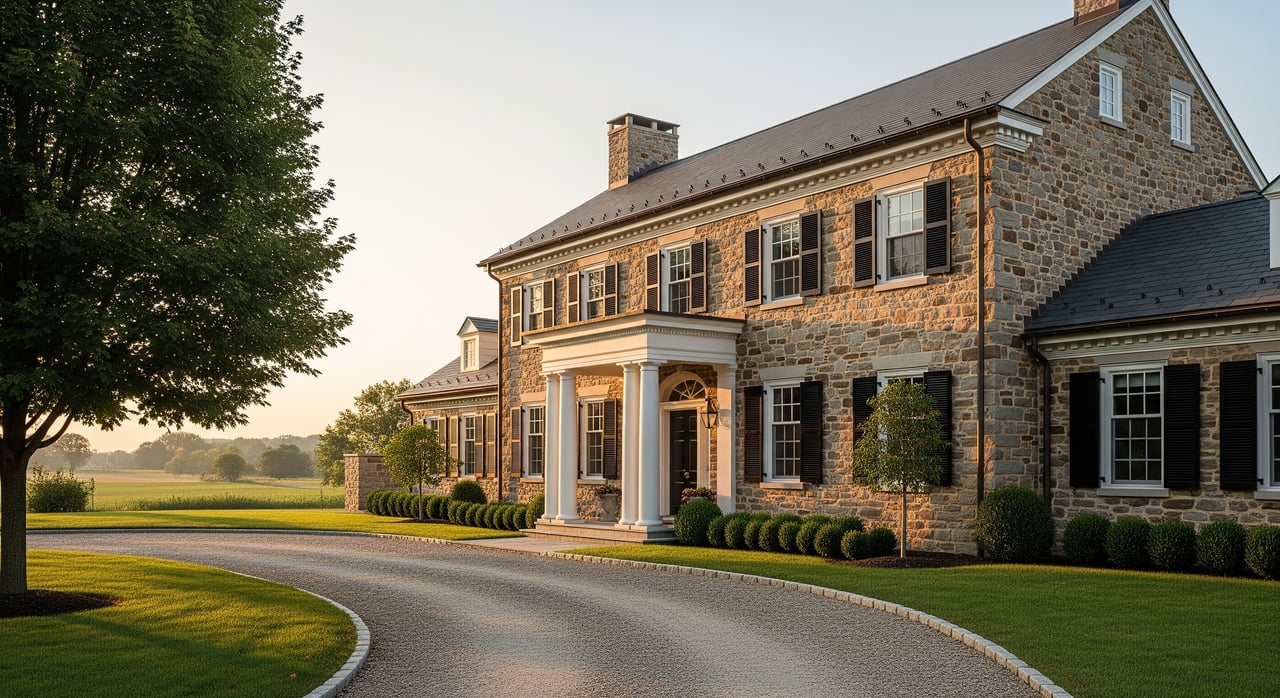
What is your home really worth in Clinton Township right now? Pricing can feel like a moving target, especially when neighbors’ homes sell quickly at different numbers. You want a price that attracts strong offers without leaving money on the table. In this guide, you’ll learn exactly how agents build a Comparative Market Analysis, what local factors move value in Hunterdon County, and how to read a CMA like a pro. Let’s dive in.
What a CMA is
A Comparative Market Analysis is a data-backed estimate of your home’s market value based on similar nearby properties and recent market activity. Agents use it to recommend a listing price range and a strategy that fits your goals and timing. It is a pricing and marketing tool, not a formal appraisal.
A CMA differs from an appraisal and automated estimates. An appraisal is prepared by a licensed appraiser and used by lenders. Automated Valuation Models provide quick ballpark estimates, but they can miss condition, upgrades, or micro-location details. A strong CMA adds human analysis to the data so you price with confidence.
The data that drives your price
Sold, pending, and active listings
Sold comps carry the most weight in a CMA because they show what buyers actually paid. Pending sales add a near-term signal of demand and direction. Active and expired listings show your competition and where pricing failed to connect with buyers.
Property features we match
Agents match on home type, size, bed and bath count, lot size, age, and style. They also factor in condition, renovations, garage and parking, finished basements, additions, and unique features like barns or guest houses. The closer the match, the more reliable the comparison.
Market indicators to watch
A complete CMA summarizes days on market, sale-to-list price ratio, inventory, and months of supply. Price per square foot trends can help compare across neighborhoods, but they are a guide rather than a rule. The big picture shows whether the market tilts toward buyers or sellers.
Choosing the right comparables in Clinton Township
Location first
In Hunterdon County, micro-location can swing value. Homes near Clinton borough or other village centers often command a premium compared to more rural routes. Proximity to major commuter roads, adjacency to preserved farmland or open space, and river proximity can all affect price.
Time window that fits the market
Most CMAs target sales from the last 3 to 6 months in faster conditions, and 6 to 12 months when the market is slower. Older sales can be used with careful adjustments. The goal is to reflect what buyers are responding to right now.
Property similarity matters
You want comps that mirror your home’s bed and bath count, overall square footage, lot size, age range, and style. That way, any differences can be adjusted with reasonable confidence. Expect 3 to 6 strong sold comps, plus a few useful pending or active listings for context.
When your home is unique
If your home is historic, on larger acreage, or very large or very small for the area, agents widen the search radius and time window. They rely more on feature-by-feature adjustments and clear narrative to explain the pricing logic. The aim is to show buyers the value while setting a price that appraisers can support.
How adjustments work
A CMA bridges the gap between imperfect matches. Agents use two main methods. Dollar adjustments add or subtract a specific amount for differences like an extra bathroom or finished basement. Percentage adjustments can be used for larger, whole-house differences.
Local paired-sales analysis is ideal. That means comparing two almost-identical sales where only one feature differs, then using that price gap to guide the adjustment. When perfect pairs are not available, agents use local MLS norms and appraiser guidance. Typical adjustments cover bedrooms, baths, finished square footage, garage spaces, lot size, basement finish, kitchen and bath renovations, age and condition, views, flood risk, and unique features.
Condition and presentation
Condition is often the biggest swing factor. Agents commonly use condition grades, like Excellent or Updated, Good, Average, or Needs Work. They document condition with photos and your update list to justify adjustments. Price shifts should reflect real buyer reactions and likely repair or upgrade costs, not just replacement cost.
Local value drivers in Hunterdon County
Village vs rural pricing
Buyers value quick access to Clinton’s village center, shops, dining, and events. Homes closer to these amenities often see stronger demand than comparable homes on rural routes, all else equal. That premium can vary by season and overall inventory.
Commuter access
Proximity to commuter routes, including access to I-78 and connections to regional hubs, can influence buyer demand and pricing. Shorter travel times and fewer turns to major roads are often perceived as more convenient.
Flood risk and waterways
Proximity to the Raritan or Delaware River corridors, and any FEMA flood zone designation, can impact insurability, mortgage requirements, and buyer comfort. Agents check official flood maps and consider local flood history when selecting comps and advising on price.
Utilities, septic, and wells
Many rural properties rely on septic systems or private wells. Some buyers prefer municipal water and gas, while others accept private systems with the right maintenance documentation. Utility type and condition can influence price and time on market.
Taxes and carrying costs
Municipal and county property taxes are a core part of monthly cost. Higher taxes can limit the buyer pool at a given price point. A CMA frames pricing within typical buyer budget thresholds for the area.
Historic districts and preservation
If your home sits within a historic district or has preservation easements, you may see a mix of positives and constraints. Character and streetscape can add appeal, while restrictions can limit certain changes. The CMA reflects both sides in the pricing narrative.
Reading a CMA like a pro
Executive summary
Look for the suggested price range and the recommended list price. A strong CMA explains how the comps, adjustments, and market indicators support those numbers. It should also align with your timing and marketing strategy.
Market snapshot
This section summarizes key stats like median sale price, days on market, sale-to-list ratio, and months of supply for your micro-market. It helps you understand whether buyers or sellers have more leverage right now.
Comparable pages
Expect 3 to 6 closed sales with photos, addresses, sold dates, list and sold prices, key features, and line-item adjustments. You should also see a few pending and active listings to show the most current pulse of demand and your competition.
Adjustment table
A clear table shows each comp, every adjustment, and the net adjusted value. Good practice includes a brief rationale, like “plus X for finished basement based on paired sales.” The math should be easy to follow.
Strategy and negotiation
Pricing is both math and marketing. If you list slightly below the heart of the range in a tight-inventory season, you may spark more showings and possibly multiple offers. If you aim higher, expect longer days on market and prepare to adjust based on feedback.
Seasonality and timing
Spring and early summer often bring more buyer activity in suburban and rural New Jersey. That can support a tighter time window for comps and a launch strategy that leans into buyer momentum. Off-season sellers succeed too, but the CMA may widen the comp window and emphasize competitive positioning.
What your agent verifies before a CMA
- Legal address and parcel ID
- Square footage from tax records, reconciled with prior MLS data
- Interior and exterior condition with fresh photos
- Permits and invoices for major renovations
- Flood zone status, utilities, and any easements or restrictions
- Notable selling points or detractors like views, road noise, or proximity to village center
- Closed sale prices cross-checked with county recordings
How Bonnie & Greg approach pricing
You get a blend of creative marketing and analytical pricing. Bonnie focuses on presentation that highlights your home’s story and value, from staging to photography. Greg builds the CMA with rigorous comp selection, clear adjustments, and a strategy that aligns with your goals. Together, you launch at a number that attracts qualified buyers and supports appraisal.
How to prepare for your CMA visit
- Make a list of updates, with dates and receipts if available
- Note roof, HVAC, and major system ages
- Gather permits for additions, finished basements, or structural changes
- Confirm utility details, septic or well service records, and recent inspections
- Share any flood insurance documentation and known drainage improvements
- Identify unique features, views, outbuildings, or easements
What to expect after pricing
A strong CMA sets the stage for how your home is marketed, how showings are handled, and how offers are evaluated. Your agent will monitor new listings, price changes, and feedback so your strategy stays current. If the market shifts, you will have the data to adjust with confidence.
Ready to see where your home fits in today’s market and how to price for your goals? Let’s build a clear, local CMA and a launch plan that works in Clinton Township and across Hunterdon County. To get started, connect with Bonnie & Greg or reach out to Gregory Brozowski for your personalized pricing review.
FAQs
What is a Comparative Market Analysis in real estate?
- A CMA is an agent-prepared estimate of market value that compares your home to recent nearby sales and current market trends to recommend a pricing range.
How is a CMA different from an appraisal in New Jersey?
- An appraisal is completed by a licensed appraiser and used by lenders, while a CMA is a pricing and marketing tool that guides listing strategy rather than financing.
How many comps should be in a Clinton Township CMA?
- Expect 3 to 6 strong closed sales, plus a few pending and active listings to reflect current competition and demand.
Do active listings or closed sales matter more for pricing?
- Closed sales carry the most weight, while active listings show your competition and pending sales signal current buyer activity.
How do renovations impact my home’s price in Hunterdon County?
- Documented updates to kitchens, baths, roofs, and HVAC often drive the largest adjustments because buyers value move-in-ready systems and finishes.
Will my list price affect the buyer’s appraisal?
- Lenders rely on appraisals that follow appraiser standards, so a higher list price does not guarantee a higher appraised value.
What if my property is historic or on acreage?
- Your agent will widen the radius and time frame for comps, use feature-by-feature adjustments, and provide narrative context to support a thoughtful pricing range.
