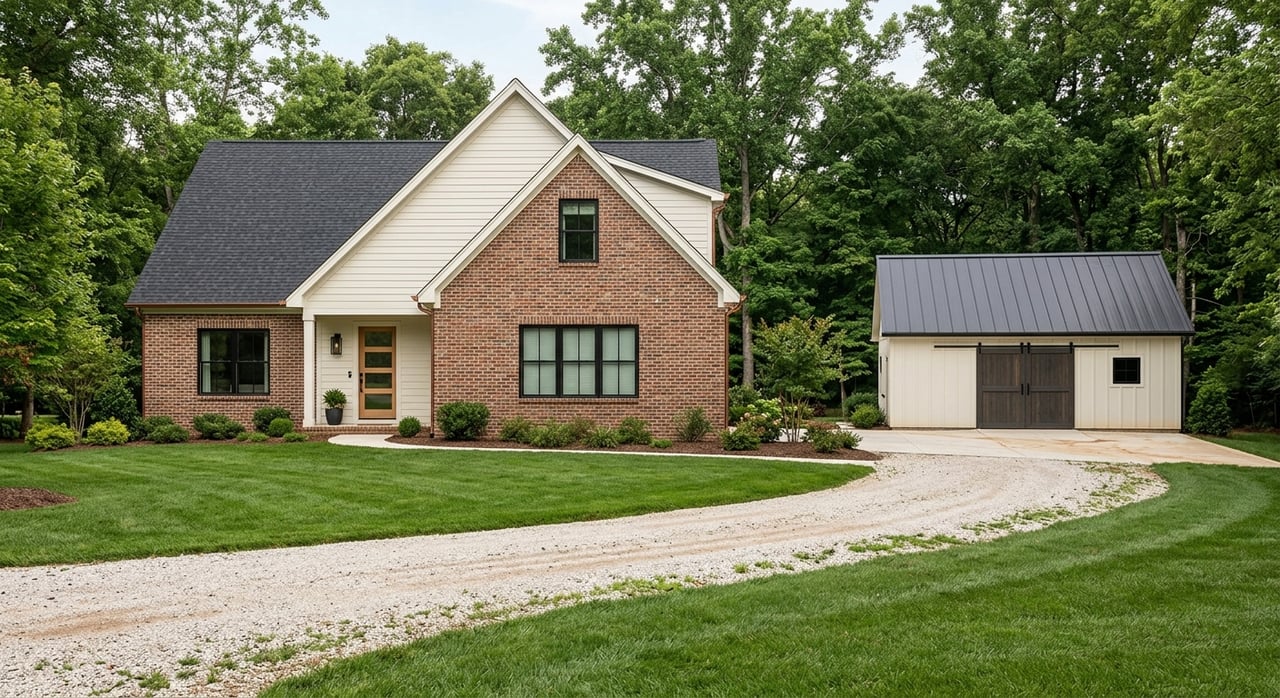
If you are searching in Long Valley because you want breathing room, a barn, or simply more usable acreage, the dream can feel exciting and complicated at the same time. A property may look perfect online, yet the real question is whether the land actually works for how you want to live. This guide will help you understand the key zoning, well, septic, and property-use issues that matter when buying land in Long Valley. Let’s dive in.
Why land in Long Valley needs closer review
Long Valley is part of Washington Township, where land-use rules reflect the area’s rural character and open-space identity. The township permits agricultural uses in some contexts, including farmhouses, usual farm buildings, horse grazing, and public or private stables and riding academies.
That said, more land does not automatically mean more freedom. Before you count on keeping horses, adding chickens, using an existing barn, or pursuing a small farm setup, you need to confirm what is allowed on the specific parcel.
Understand zoning before you fall in love
When you buy a larger property, zoning should be one of your first checkpoints. In Washington Township, agricultural uses are allowed, but the rules can differ a lot from what applies to a typical residential lot.
For example, on non-farm properties, equestrian animals may be kept only for the owner’s or tenant’s use. The township also sets a minimum of 2 acres for the first two animals, plus 1 additional acre for each additional animal.
The township also states that no fowl or livestock may be kept on parcels under one acre. That means a property with a rural feel may still have clear limits on what you can do with animals.
Hobby use versus commercial farm use
This is where many buyers get tripped up. A property may seem ideal for a hobby farm or horse use, but that does not mean it qualifies as a commercial farm under local or state rules.
Washington Township’s right-to-farm chapter defines agriculture broadly enough to include breeding, boarding, raising, rehabilitating, training, or grazing horses. But commercial farm status depends on acreage and income thresholds, which can affect nuisance protections and other considerations.
Farmland assessment is separate
Some buyers assume that if a property has acreage, it will qualify for farmland assessment. In New Jersey, that is a separate issue from zoning, and it is not automatic.
The state says land generally must include at least 5 acres actively devoted to agricultural or horticultural use for the two years before application, and it must meet income requirements. If the land use changes later, rollback taxes can apply, so this is something to verify with the tax assessor before you rely on it.
Ask the right land-use questions early
When you tour a property, try to move beyond the simple question of lot size. The better questions are about permitted use, existing improvements, and whether the setup matches your plans.
A smart early checklist includes:
- Can you legally keep the type and number of animals you want?
- Is the property considered a farm or a non-farm residential property?
- Are any barns, paddocks, sheds, or storage areas properly permitted?
- Does the current use match township rules for acreage and setbacks?
- If you are considering farmland assessment, does the property actually meet the state requirements?
Well testing should be a core contingency
Many land-focused properties rely on private wells, and that makes water testing a major part of your due diligence. In New Jersey, the Private Well Testing Act requires testing during a sale transaction for up to 43 parameters.
The certified lab sends the results to the buyer or requester, the New Jersey Department of Environmental Protection, and the local health authority. This is not a box to check at the last minute. It is a key part of understanding the property you are buying.
Washington Township potability rules matter too
Washington Township also requires a certificate of potability before title transfer for residential dwellings served by an individual water supply. The township notes that dug wells, springs, and cisterns are not approved sources for that certificate.
The township’s testing checklist includes bacteriological and chemical parameters such as coliform bacteria, nitrates, volatile organics, pH, iron, manganese, lead, arsenic, and copper. Timing matters too, since most results remain valid for 12 months, while total coliform is valid for 6 months.
Ongoing testing still matters after closing
Morris County public-health guidance says private water should be tested every year for total coliform bacteria, nitrates, total dissolved solids, and pH. This is especially important after a new well is installed or after repairs to pipes, pumps, or the well casing.
If you are buying a property with more land, treat the well as part of the property’s long-term operating system, not just a closing item.
Septic inspections deserve the same attention
If a property has a private septic system, a quick glance is not enough. New Jersey DEP guidance emphasizes a comprehensive septic evaluation rather than a simple visual check.
That matters because septic issues can affect your timeline, your budget, and how confidently you move forward. On a larger property, septic components may be farther from the home or interact with grading, drainage, fencing, or planned outbuildings.
Repairs may involve permits and local rules
Washington Township’s septic repair instructions say minor septic repairs require a township-issued permit. The work must be performed by a Washington Township licensed contractor, and the department must inspect the work before backfilling.
Larger work requires a different application process. For buyers, that means septic concerns should be identified early enough to leave room for inspections, quotes, permits, and possible repairs.
Barns, sheds, and paddocks need more than a photo review
A listing photo can make an outbuilding look ready to use, but appearances are not enough. Washington Township says farm buildings must be approved by the subcode official for structural safety.
The township also requires new construction to meet setback requirements, and it requires storage to be at least 100 feet from any property line. Depending on the use, traffic patterns, ingress and egress, sanitation, and boundary separation may also come into play.
Existing structures still need verification
Even if a barn, arena, paddock, run-in shed, or storage area is already there, do not assume it is legal, permitted, or safely built for your intended use. That is especially true for equestrian setups and other specialized improvements.
If outdoor storage exists, township code may require fencing or walls to conceal the area and its contents from adjacent property. These details can affect both usability and future costs.
What to request before closing
Ask for documentation that helps confirm how the site was built and used. Useful items include:
- Surveys n- Permits and approvals for outbuildings
- Records related to barns, sheds, paddocks, arenas, or storage areas
- Information about setbacks and property lines
- Any available records tied to well, septic, or site improvements
Bigger land means bigger ownership planning
The purchase price is only part of the picture when you buy more land in Long Valley. The local rules around wells, septic, structural safety, sanitation, and setbacks all point to an ongoing maintenance mindset.
In practical terms, buyers should be ready for the realities of caring for more property. That can include fencing, drainage, gravel drives, mowing, snow access, and keeping barns and outbuildings in working order.
This does not mean buying land is a bad idea. It means the best purchase is one where the property, your goals, and the township rules all line up clearly from the start.
A smart buying approach in Long Valley
If you want more land, your due diligence should be more detailed too. The safest path is to confirm zoning and health-related issues early, rather than trying to sort them out just before closing.
A strong buyer plan often includes:
- Checking intended use with the township zoning office
- Reviewing animal and acreage rules for the parcel
- Ordering well testing through a state-certified lab
- Scheduling a comprehensive septic inspection
- Reviewing permits and placement for barns, sheds, and storage areas
- Confirming any farmland assessment questions with the assessor
- Bringing in a surveyor or land-use attorney when the use is more complex
Buying a land-heavy property can be deeply rewarding when the setup truly fits your plans. With the right local guidance and careful review, you can move forward with more confidence and fewer surprises.
If you are considering Long Valley and want help evaluating how a property fits your goals, Gregory Brozowski can help you look beyond the listing and focus on the details that matter.
FAQs
What should buyers in Long Valley know about zoning for horses?
- Washington Township allows some equestrian use, but on non-farm properties the animals may be kept only for the owner’s or tenant’s use, with at least 2 acres for the first two animals and 1 additional acre for each added animal.
What should buyers in Long Valley know about keeping chickens or livestock?
- Washington Township says no fowl or livestock may be kept on parcels under one acre, so buyers should confirm whether the lot size and zoning match their plans.
What should buyers in Long Valley know about private well testing?
- New Jersey requires testing under the Private Well Testing Act during a sale, and Washington Township also requires a certificate of potability before title transfer for homes served by an individual water supply.
What should buyers in Long Valley know about septic inspections?
- New Jersey DEP guidance emphasizes a comprehensive septic evaluation, and Washington Township may require permits, licensed contractors, and inspections for septic repairs.
What should buyers in Long Valley know about farmland assessment?
- Farmland assessment is separate from zoning and is not automatic, and the state generally requires at least 5 acres actively devoted to agricultural or horticultural use for the two years before application plus income requirements.
